Roof Cleaning or Roof Replacement: What Your Swindon Home Really Needs
When a roof starts looking tired, green and blotchy, plenty of homeowners in Swindon jump to the worst conclusion. They assume the whole thing needs ripping off and replacing, and they start bracing themselves for a bill that runs into thousands. In a good number of cases, though, that assumption is simply wrong. A roof can look far worse than it actually is, and what it really needs is a proper clean rather than a wholesale rebuild.
Knowing the difference matters, because the gap between the two jobs is enormous. A clean is a fraction of the cost and disruption of a replacement, and choosing the right one saves you both money and worry. So how do you tell whether your roof is genuinely worn out or just filthy? That is exactly what we will walk through here, drawing on what we see day to day on roofs across Swindon and the wider Wiltshire area.
The quick answer: If your tiles or slates are sound and it is moss, algae and grime spoiling the look, a clean is almost always the right call. If tiles are cracked, slipped or crumbling in numbers, the felt beneath has failed, or water is actually getting into the loft, that points towards repair or replacement. A proper inspection tells you which camp your roof falls into.
1. What a dirty roof actually looks like
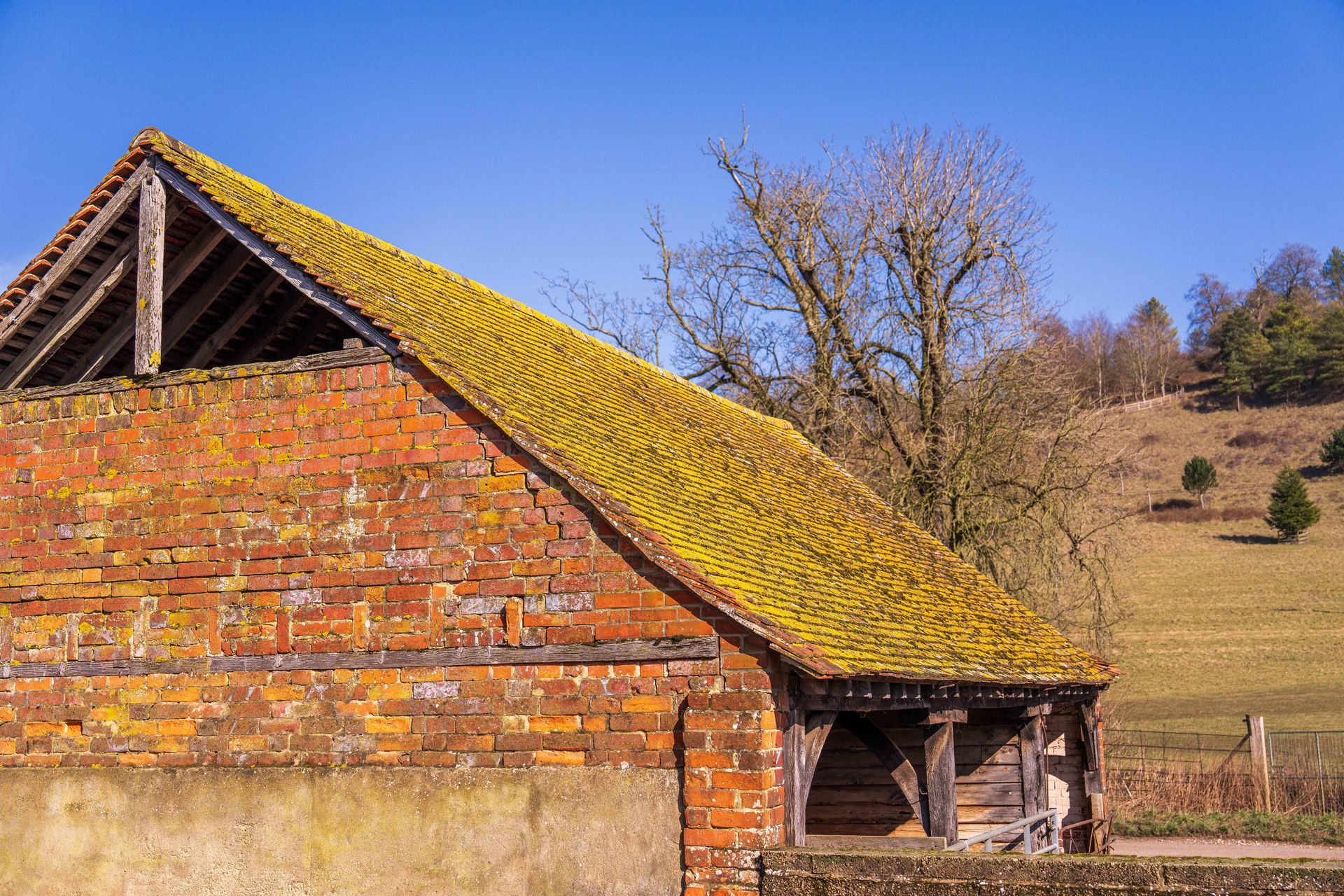
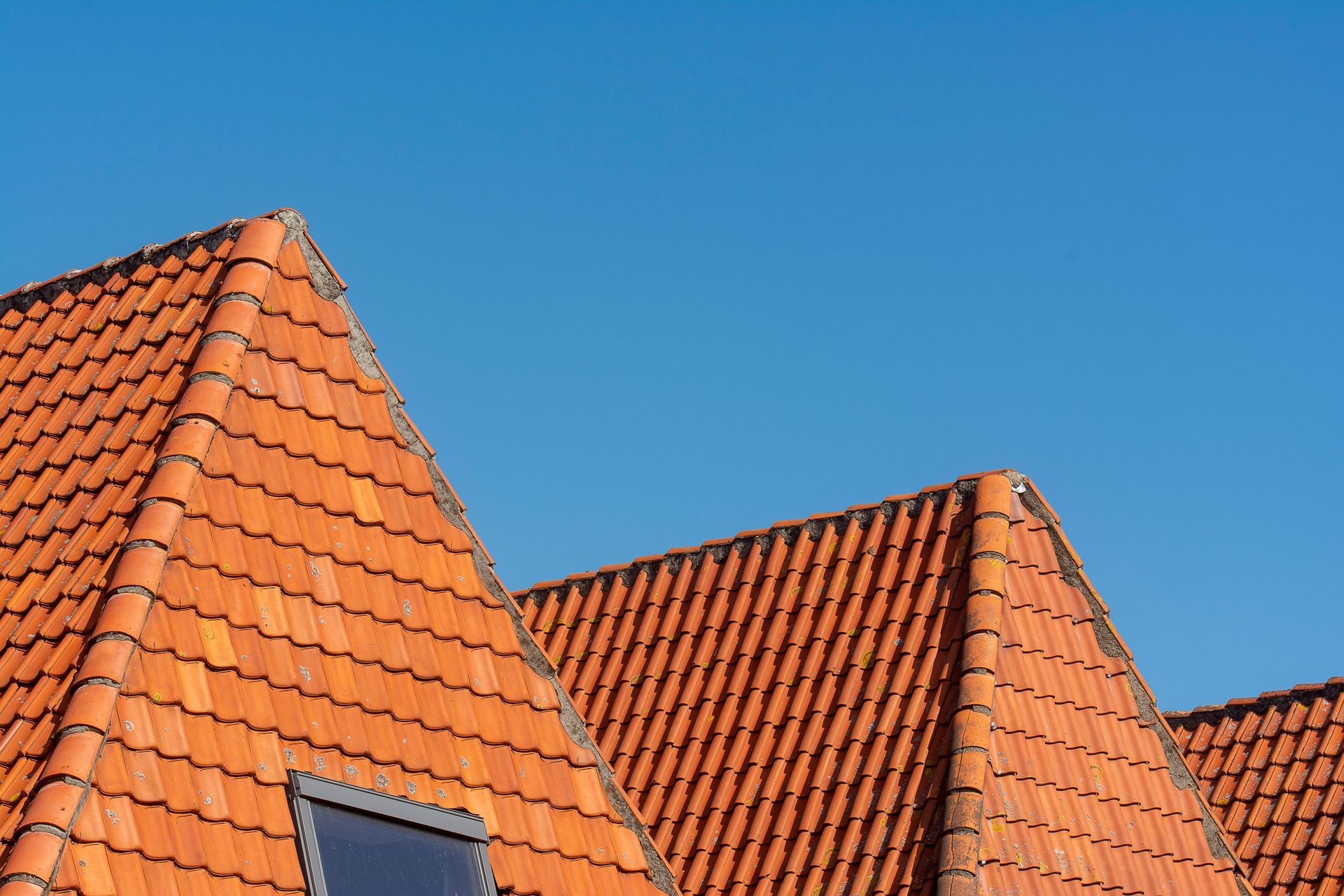
The single most common reason a roof looks past its best is growth, not damage. Moss builds up along the overlaps between tiles, algae streaks the surface in dark green and black runs, and lichen spreads in crusty patches. From the ground this can look alarming, as though the roof is falling apart, when in truth the tiles underneath are perfectly serviceable.
Swindon roofs are especially prone to this. The town sits on an exposed plateau catching damp air off the surrounding chalk downs, and the shaded, north-facing slopes stay wet long enough for moss to thrive. A roof that has not been touched for a decade can look derelict while being structurally fine.
Would you replace a car just because it was covered in mud? The same logic applies here. Clean the growth away and very often a roof that looked ready for the skip turns out to have years of life left in it.
2. The signs that point towards real damage
There are, of course, roofs that genuinely need more than a wash. The clearest warning is water getting inside. Damp patches on upstairs ceilings, staining around the loft, or daylight visible through the roof from inside all suggest the covering has failed somewhere and is letting water through.
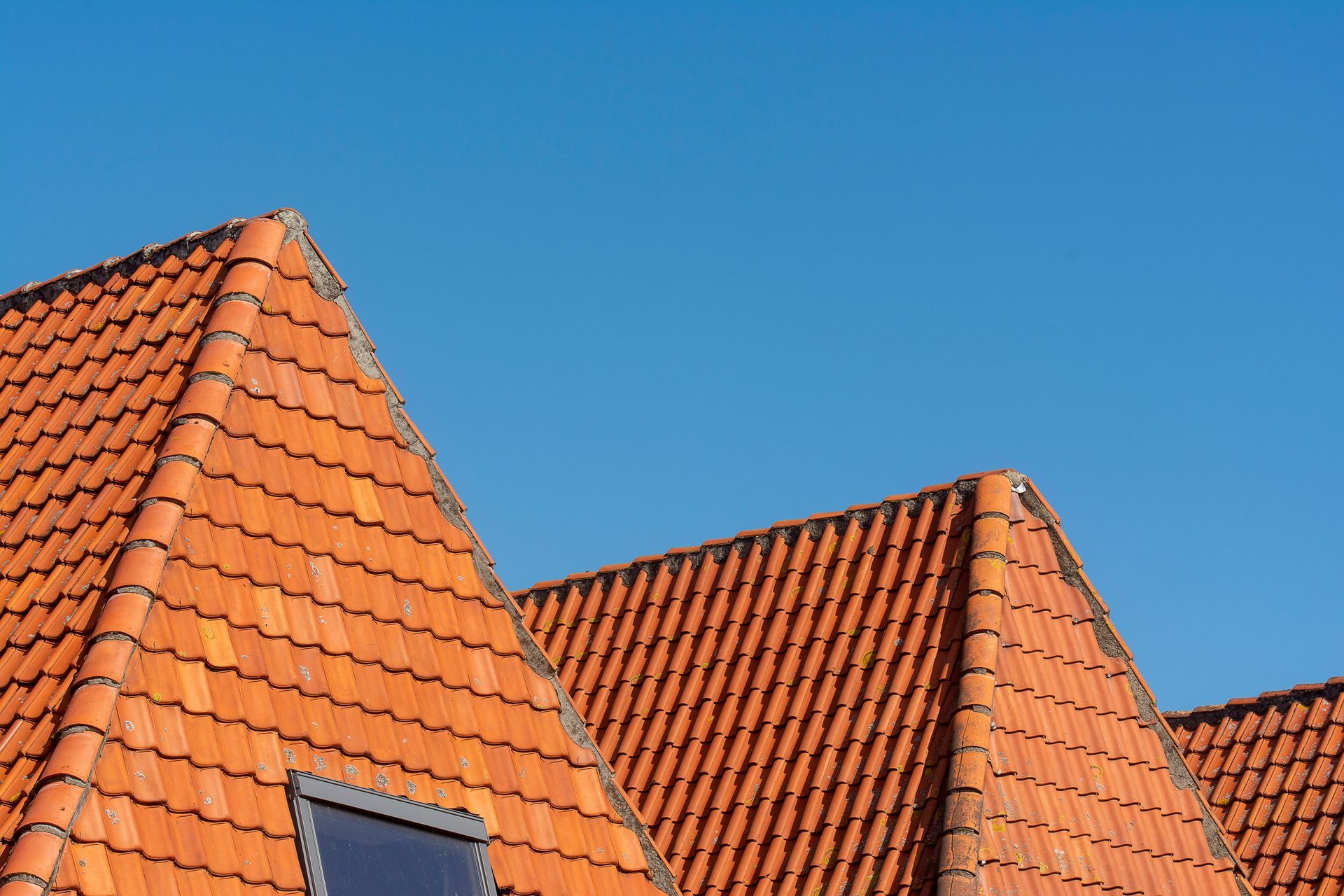
Cracked, slipped or missing tiles are another sign, particularly when there are several rather than just one or two. A single dislodged tile after a storm is a simple repair. Widespread cracking, crumbling concrete tiles, or slates that shed and slip across the whole roof suggest the covering has reached the end of its natural life.
The felt or membrane beneath the tiles matters too. On older Swindon homes, especially interwar and early postwar houses, the original bituminous felt can grow brittle and tear. When that underlay has gone, cleaning the tiles will not solve a leak, and a more serious conversation is needed.
3. Why moss makes a roof look worse than it is
Moss is a great deceiver. Because it grows in thick, dark clumps and holds water, it makes a roof look sodden and rotten even when the tiles beneath are solid. It gathers in the very spots that draw the eye, along ridges, in valleys and across the lower courses, so a light covering can give the impression of total decay.
There is a real problem hiding in there, though, which is why removing it matters. Moss traps moisture against the tile surface, and in a Swindon winter that trapped water freezes, expands and can slowly damage the tile face over many seasons. So while moss itself is not proof a roof is finished, leaving it in place does gradually shorten a roof's life.
Clearing that growth through soft washing, using low-pressure water and a biocide, lifts the moss without battering the tiles. It also reveals the true condition of the roof underneath, which is often the moment a homeowner realises replacement was never on the cards.
4. The cost gap between cleaning and replacing
The financial difference between the two options is not small. A full roof replacement is one of the more expensive jobs a homeowner ever faces, involving scaffolding, stripping the old covering, new membrane, new battens and a full re-tile, plus the disruption of having workers on the property for days. A clean, by contrast, is a modest job completed in a fraction of the time.
Because of that gap, it makes sense to be certain a roof genuinely needs replacing before committing to it. We have seen homeowners quoted for a full new roof when a clean and a handful of minor repairs would have done the job for a small share of the price.
None of this means a clean is always the answer. Where a roof is truly worn out, cleaning it is money down the drain. The point is simply to find out which situation you are in before you spend, and an honest assessment is the way to do that.
5. How a proper inspection settles the question
The only reliable way to know whether your roof needs cleaning or replacing is to have someone look at it properly, up close, not from a quick glance at street level. Growth, tile condition, the state of the ridge and the health of the flashings all need checking together to build a real picture.
When we look at a roof, we are honest about what we find. If the tiles are sound and it is purely a matter of moss and grime, we say so, and a clean is all we recommend. If there are genuine problems, we tell you plainly rather than dressing up a clean as a fix it cannot deliver.
What would you rather have, a guess from the pavement or a clear answer based on the actual condition of your roof? For a decision this significant, getting the diagnosis right is everything, and it costs you nothing to ask.
6. Cleaning as a way to delay replacement
Here is something worth knowing. Regular cleaning can genuinely extend the working life of a roof and push a replacement further into the future. By keeping moss and algae from taking hold, you reduce the moisture sitting against the tiles and slow the wear that eventually forces a re-roof.
For many Swindon homes, a roof that is kept clean and clear will comfortably outlast a neglected one on the same street. The maintained roof sheds water freely, dries out between downpours and avoids the freeze-thaw damage that moss encourages. That is real value, spread over years.
Think of it as looking after an asset rather than waiting for it to fail. A clean every few years is a small outlay set against the cost of replacing the whole thing early, and it keeps your home protected in the meantime.
- Clean when: tiles and slates are sound and it is moss, algae, lichen or grime spoiling the appearance rather than any structural fault.
- Repair or replace when: water is entering the home, the underlay has failed, or tiles are cracked, slipped or crumbling across the roof.
- Do not be fooled by moss: heavy growth makes a sound roof look derelict, so clear it before assuming the worst about the tiles beneath.
- Maintain to save: regular soft washing slows wear and can push an expensive replacement years further down the line.
Frequently Asked Questions
Can cleaning really save me from replacing my roof?
Often, yes. If the tiles are structurally sound and the issue is growth and grime, a clean restores the roof and there is no need to replace anything.
How do I know if my tiles are damaged or just dirty?
From the ground it is hard to tell, which is why a close inspection matters. We check tile condition, ridges and flashings and give you an honest verdict either way.
Will you tell me if my roof genuinely needs replacing?
Absolutely. We would rather be straight with you than sell a clean that will not fix a real problem. If replacement is the sensible route, we say so.
Does moss damage the roof or just look bad?
Both. It looks poor and it traps moisture that can, over time, damage tiles through freeze-thaw in Swindon winters. Removing it protects the roof as well as improving its look.
How often should a Swindon roof be cleaned to avoid early replacement?
It varies with how exposed and shaded your home is, but a regular clean every few years keeps growth in check and helps the roof reach its full lifespan.
Not sure whether your roof needs a clean or more?
Ben's Roof Cleaning brings over 15 years of experience in safe, effective roof cleaning across Swindon and the surrounding area. Get in touch or call 01793 378782
for a free, no-obligation quote.
Making the right call for your Swindon roof
The choice between cleaning and replacing does not have to be a guessing game. In most cases a tired-looking roof simply needs the moss and grime lifted away to look and perform like new again, while genuine replacement is reserved for roofs where the covering has truly failed. Get an honest inspection, understand what you are actually dealing with, and you can spend your money where it counts rather than replacing a roof that had plenty of good years left.